Outdoor Kitchens for Your Deck: Blending Cooking and Entertaining
Outdoor kitchens on decks provide an exceptional opportunity for blending dining pursuits with social events. These environments welcome families and friends to enjoy meals in a natural setting while elevating the visual appeal and practicality of a residence. Important components can turn a standard deck into a lively gathering space. However, the planning and selection of elements require careful consideration to optimize comfort and function. What essential aspects should one prioritize to create the ideal outdoor cooking experience?
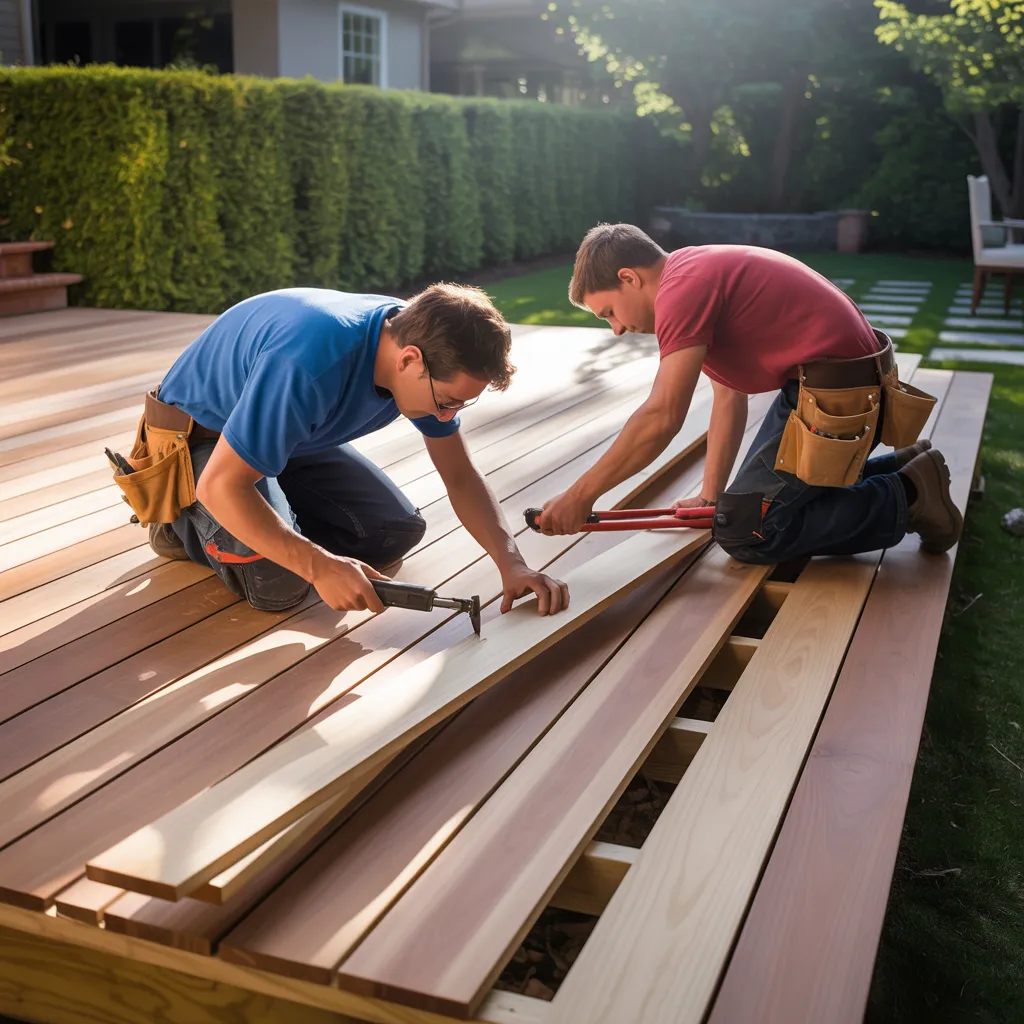
The Reasons to Add an Outdoor Kitchen to Your Deck
An outdoor kitchen turns a deck into an inviting social hub, enhancing both functionality and enjoyment. This addition elevates outdoor living experiences by facilitating smooth cooking and hosting in the outdoors. The benefit of having outdoor cooking amenities encourages more frequent gatherings, whether they are relaxed cookouts or elegant dining events.
In addition, outdoor kitchens seamlessly blend the natural environment with cooking activities, establishing a distinctive setting that traditional indoor kitchens simply cannot offer. Families can bond over meal preparation while savoring the peaceful ambiance of the great outdoors.
Moreover, the addition of an outdoor kitchen can increase a home's appeal, making it an enticing feature for potential buyers. With abundant space for food preparation, dining, and socializing, an outdoor kitchen on a deck not only elevates quality of life but also fosters togetherness and camaraderie among family and friends. Consequently, the advantages of adding this feature are both immediate and long-lasting.
Key Features You Need for Your Outdoor Kitchen
An outdoor kitchen ought to incorporate fundamental cooking tools to improve the cooking experience. In addition, well-designed functional workspaces are essential for efficiency and ease of use. Collectively, these components create a seamless blend of ease and efficiency for passionate outdoor chefs.
Fundamental Cooking Appliances
When planning an outdoor kitchen, choosing the right cooking equipment is vital for both practicality and pleasure. A high-quality grill often takes center stage, providing flexibility for a range of cooking techniques. Working alongside the grill, a reliable outdoor refrigerator ensures convenient availability to drinks and food items, enhancing convenience during gatherings. For cooks who appreciate variety, a smoker can bring exceptional depth to dishes. Moreover, a sink with running water supports meal preparation and tidying, ensuring a smooth cooking process. Incorporating a side burner makes it possible to prepare sauces or side dishes while keeping the grill free. Finally, a small outdoor oven can expand cooking possibilities, enabling homemade pizzas or desserts. These appliances combined elevate the outdoor cooking experience, rendering it both satisfying and streamlined.
Practical Workspace Design
Creating a well-organized culinary space in an outdoor kitchen is essential for improving efficiency and enjoyment. A thoughtfully designed arrangement features key elements such as ample counter space for meal prep and serving. Installing a kitchen sink facilitates effortless cleaning and enhances meal prep efficiency. Organization solutions, like cabinets and shelving, are important for holding cooking supplies and ingredients organized and accessible. Moreover, deliberate arrangement of culinary equipment, such as grills and smoking units, ensures a seamless workflow. Plan to include a sheltered space to protect chefs from harsh weather while grilling. Finally, adding an exterior bar or seating zone promotes social interaction, allowing guests to assemble and relish the dining experience. Together, these features create an appealing and efficient outdoor cooking environment.
Choosing the Right Grill for Your Space
Picking the ideal outdoor cooker for an outdoor kitchen demands careful consideration of fuel type and size. The measurements of the grill must match the designated area, ensuring effective utilization without cluttering the space. Furthermore, the selection between charcoal, gas, or electric can greatly impact cooking style and convenience.
Considerations for Grill Size
Choosing the correct grill size is crucial for optimizing your outdoor kitchen area, as it ensures both functionality and comfort during meal preparation and hosting. A grill that is too small could reduce meal preparation options, leading to challenges when entertaining guests. On the other hand, an too-large grill can dominate the space, making it seem overcrowded and uninviting.
When picking out the grill, one must take into account how many guests are typically hosted and the kinds of meals being cooked. For smaller households or cozy get-togethers, smaller models may be sufficient. Families with more members or regular hosts might prefer more spacious grills that offer several cooking zones. In the end, the perfect grill should complement the overall design of the outdoor kitchen, creating a seamless and productive cooking experience.
Fuel Type Options
Beyond grill size, the type of fuel plays an important part in determining the appropriateness of a grill for an outdoor kitchen. Most homeowners select from propane, natural gas, charcoal, or electric grills, all of which offer their own distinct advantages. Propane grills are portable and easy to use, making them a great choice for those seeking convenience. Natural gas grills need a fixed connection yet deliver a consistent fuel supply, eliminating the need for tank replacements. Charcoal grills deliver a classic flavor profile that many cooking enthusiasts love, even though they call for greater time and effort during the heating process. Electric grills present a smokeless alternative, well-suited for limited outdoor spaces. At the end of the day, the fuel type chosen should correspond to culinary preferences, spatial constraints, and overall lifestyle requirements.
How to Plan Your Outdoor Cooking Area
Developing an exterior culinary space requires thoughtful attention to multiple components to create a useful and attractive atmosphere. First, the configuration should facilitate easy movement between food preparation, distribution, and dining spaces. A spacious configuration fosters engagement between visitors while minimizing congestion.
Additionally, choosing sturdy options is important, as exterior conditions can be challenging. Weather-resistant counters and storage units provide longevity and ease of maintenance.
Integrating proper lighting is vital for evening events, boosting both safety and ambiance.
Furthermore, incorporating storage options facilitates organized culinary necessities, keeping the space clutter-free.
Ultimately, taking into account the distance from the home can improve practicality for both meal preparation and cleanup. Harmonizing visual appeal with practicality will produce a cohesive space that encourages gathering and cooking inspiration, making outdoor cooking a delightful experience.
Leading Appliances for Outdoor Cooking
An outdoor kitchen that is well-equipped enhances the cooking experience and elevates social gatherings. Essential appliances for outdoor cooking include high-quality grills, which serve as the centerpiece for barbecuing. Gas, charcoal, and pellet grills all provide distinct flavors and cooking techniques, accommodating a range of preferences.
Outdoor ovens are another valuable addition, providing diverse culinary opportunities, from consult this source preparing homemade pizzas to cooking succulent roasts. Additionally, smokers can impart rich, smoky flavors, attracting passionate barbecue lovers.
Refrigerators are essential for everyday convenience, keeping ingredients fresh and beverages cool. A running water sink additionally simplifies the cooking workflow, rendering food prep and cleanup far more efficient.
To supplement these, additional burners offer extra space for cooking for accompaniments and sauces, ensuring all food comes together simultaneously. As a whole, these appliances not only enhance functionality but also elevate outdoor areas into culinary hubs, perfect for entertaining visitors.
Crafting the Perfect Cozy Outdoor Dining Space
Including cozy textiles, including throw pillows and table runners, introduces warmth and sophistication. To build a welcoming atmosphere, carefully positioned garden lighting—including string lights or lanterns—can beautifully elevate the area for nighttime events.
Introducing greenery via potted plants or hanging baskets introduces a natural element that enhances the overall environment. A well-chosen centerpiece, such as a vase of fresh flowers or seasonal decorations, can serve as a focal point.
In addition, examine the design of the dining space, making sure it integrates with the adjacent outdoor kitchen and entertainment spaces. This deliberate preparation confirms that each meal is elevated into a lasting impression.
How to Care for Your Outdoor Kitchen Appliances
Creating a cozy outdoor dining area naturally leads to the need for consistent care for outdoor kitchen fixtures. Consistent care secures long-lasting use and top performance. It is essential to clean grills after each use, clearing away grease and food residue to reduce the risk of flare-ups and rust. Equipment ought to be examined regularly for signs of damage and deterioration, ensuring that any faulty parts are substituted without delay.
When it comes to countertop surfaces, using a mild cleanser and a soft cloth can help avoid stains and preserve their shine. Furthermore, outdoor refrigerators need to be maintained at the correct temperature, and drains should be kept clear to prevent blockages. Using protective covers on appliances when they are not in use helps safeguard them from environmental factors, thereby increasing their durability.
Finally checking gas connections and electrical systems consistently ensures safety. Through adhering to these upkeep routines, homeowners are able to enjoy their outdoor cooking spaces for the long term, enhancing both cooking and entertaining experiences.
Innovative Design Concepts for Your Outdoor Kitchen
Exterior kitchen areas present an opportunity for creative design solutions that can transform any backyard space. One popular idea is integrating a multi-functional island, which acts as both a cooking station and a dining surface, facilitating smooth and enjoyable gatherings. Integrating organic elements, such as stone or wood, can bring a warm and rustic character while complementing the existing outdoor landscape.
Installing a pergola or awning offers shelter and comfort, elevating the experience outdoors. A further creative method involves employing vertical gardens or herb walls for aesthetic appeal as well as culinary convenience.
When it comes to lighting, look into decorative pendant lights or recessed LED strips that enhance ambiance while providing practical illumination. Moreover, adding smart innovations, such as integrated speakers or exterior refrigerators, can boost the practicality of the outdoor setting. At the end of the day, thoughtful additions express unique character, converting any outdoor kitchen into a distinctive social space for friends and family alike.

Common Questions and Answers
Which Materials Work Best for Outdoor Kitchen Longevity?
Stainless steel, stone, and weather-resistant composites serve as the best options for long-lasting outdoor kitchens. Such selections hold up against demanding conditions, offer corrosion resistance, and retain their visual charm, providing a resilient and efficient culinary space in open-air surroundings.
How Do I Protect My Outdoor Kitchen From Weather Damage?
To protect an open-air kitchen from the elements, it is important to utilize weather-resistant covers, install proper drainage, choose rust-resistant materials, and regularly maintain surfaces. These measures ensure lasting use and efficiency regardless of outdoor conditions.
Can I Install an Outdoor Kitchen Myself?
Absolutely, people can build an outdoor kitchen on their own, provided they possess the essential skills and tools. Careful planning and compliance with local construction codes are essential for a safe and successful build.
What Permits Are Needed for Constructing an Outdoor Kitchen?
Local regulations frequently mandate outdoor kitchen permits, including electrical, zoning, and building permits. It is important to review local guidelines and possibly hire a licensed contractor to ensure compliance with all safety and legal standards.
How Should I Include Lighting in My Outdoor Cooking Setup?
To integrate lighting to an outdoor cooking space, one can set up overhead fixtures, decorative string lights, and task lighting near food prep areas, providing a brightly lit environment that elevates both safety and atmosphere during evening gatherings.